Empowering Patients: The Future of Cancer Treatment and Support in Oncology
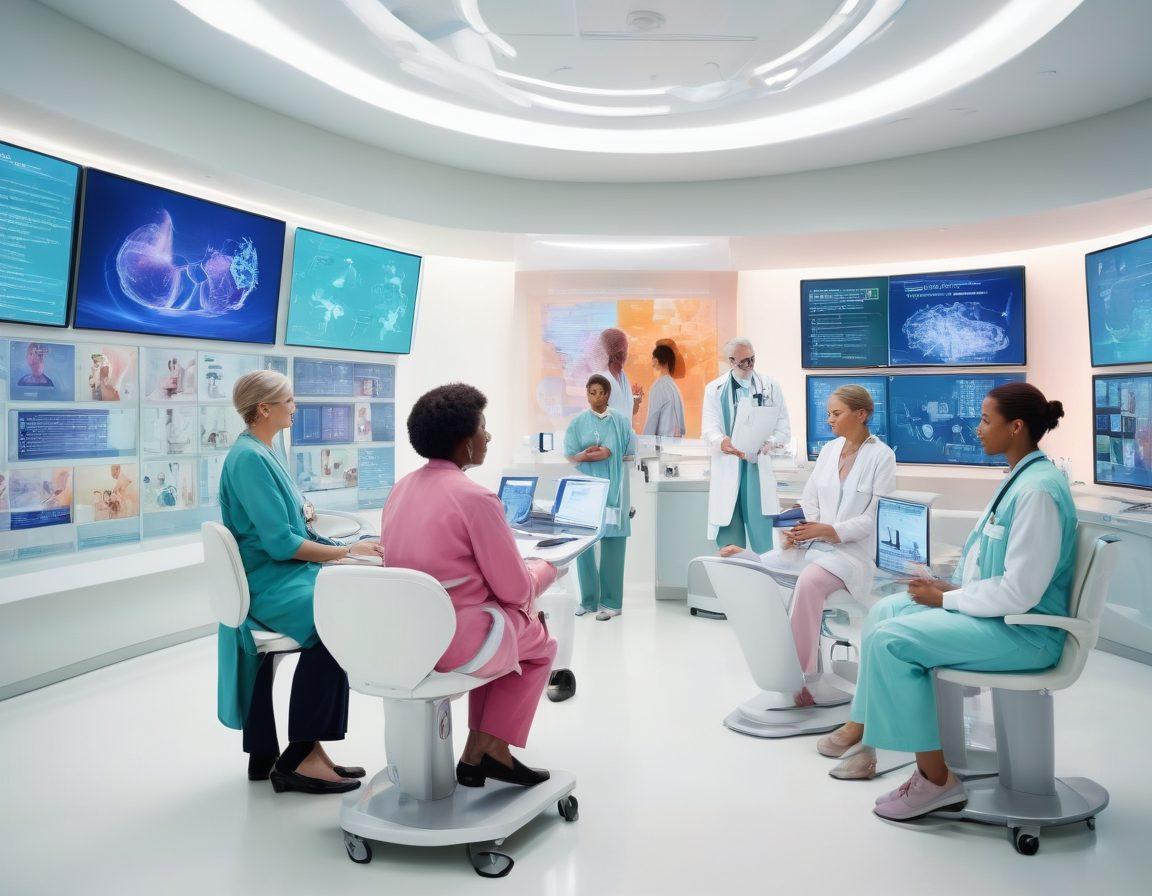
Imagine stepping into a healthcare facility and being greeted with technology that speaks your language—a world where your oncologist is not just a medical expert but a compassionate ally in your cancer journey. This is not a distant dream; this is the new landscape of oncology that is transforming patient care. With advancements in cancer research and treatment, the approach to healthcare is rapidly evolving. Patients are empowered to navigate their wellness journeys more proactively, taking charge of their health and well-being. It's time we reimagine cancer treatment and embrace the future that awaits us.
In oncology today, patient advocacy is at the forefront, fostering a culture of collaboration between patients and the medical community. As healthcare professionals increasingly prioritize cancer awareness and preventive care, more patients are receiving tailored support that mirrors their unique experiences. This could mean personalized treatment plans based on cutting-edge medical research or engaging survivors through survivorship programs that illuminate the path to recovery. With the rise of patient education initiatives, individuals can now access a wealth of health information that was once limited to healthcare professionals. Are you aware of how much knowledge is available at your fingertips?
Let’s dive deeper into the fine weave of this new patient care tapestry. One of the most exciting features of the changing landscape is the integration of technology in cancer treatment. Imagine virtual consultations with your oncologist paired with an accessible patient portal where you can keep track of your treatment, lab results, and wellness goals. Telemedicine has made healthcare accessible, allowing patients to communicate with their oncologists no matter where they are. This innovation has not only revolutionized the way care is delivered but also reduced the burden of travel for those dealing with chronic illnesses. How has technology played a role in your healthcare journey?
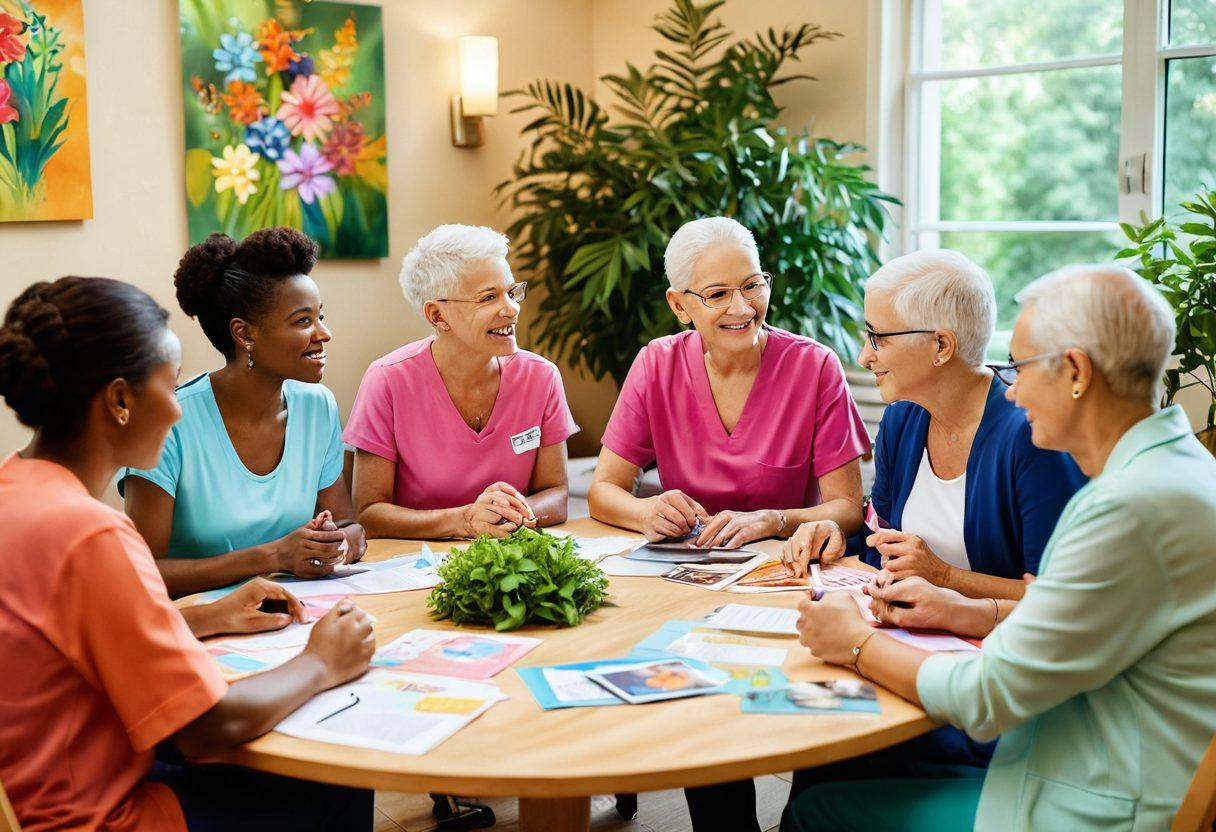
The importance of community cannot be overstated. Cancer support groups are gaining prominence, offering spaces where patients can share their fears, triumphs, and everything in between. The emotional landscape of cancer treatment is as pivotal as the medical aspect, giving individuals the ability to form bonds based on shared experiences. Many patients discover that, despite differing diagnoses, they share similar struggles, creating a community that fosters resilience and healing. In what ways can you strengthen your support system or engage with local advocacy groups?
As we look to the road ahead, let’s acknowledge the role of ongoing education. By remaining engaged with evolving cancer statistics and breakthroughs in medical research, patients can become active participants in their health journeys. This proactive mindset transforms the narrative from being a passive recipient of treatments to a conscious contributor to their wellness. Together, we can continue advocating for preventive care and enhance the discourse surrounding global health. In this new chapter of healthcare, how will you take control of your narrative?
From Awareness to Action: Tools for Empowering Cancer Patients and Survivors
In a world where cancer affects millions, empowering patients is no longer just a noble idea; it’s an urgent call to action. Every year, cancer statistics reveal a stark reality: nearly one in two men and one in three women will be diagnosed with cancer at some point in their lives. This truth is heavy but understanding it can ignite a sense of purpose among patients and survivors. How can we turn this awareness into actionable tools? Let’s delve into the journey of cancer patients and the innovative resources available that empower them in their fight.
The emergence of patient advocacy movements has transformed the oncology landscape. Gone are the days when patients were passive recipients of care; now, they are informed and engaged participants in their own treatment stories. Advocacy groups are not just playing a supporting role; they are spearheading initiatives that equip individuals with essential health information. This kind of empowerment is vital – it inspires patients to ask questions and actively collaborate with their oncologists in the selection of cancer treatment options. After all, who knows your body better than you do?
Cancer support networks have blossomed into vibrant communities where patients and survivors share their journeys, struggles, and triumphs. Picture this: a room full of individuals with unique stories connecting over their experiences. These gatherings serve as a wellspring of strength, reminding each participant that they are not alone in their battle. An intriguing question arises—how can we amplify this kind of empowerment in global health initiatives? Enhancing the availability of survivorship programs is a crucial step. These programs foster resilience, enabling cancer survivors to transition from patients to advocates themselves, armed with a voice that resonates beyond their personal experiences.
With the rapid advancements in medical research and technology, preventive care and wellness have gained significant foothold in the fight against cancer. Innovations in telehealth services, for instance, provide unprecedented access to healthcare resources, allowing patients to keep informed and involved from the comfort of their homes. This accessibility amplifies cancer awareness efforts, encouraging a proactive approach to health management. How empowering is it for patients to track their health data through mobile apps? With tools that monitor symptoms, treatment side effects, or even reminders for check-ups, patients take the lead in their healthcare journey, advocating for themselves and others in the community.
Finally, it’s essential to remember that this journey towards empowerment is not a sprint, but a marathon. Each small action contributes to a larger impact in the fight against chronic illness. Whether it’s sharing your story on a health blog, participating in cancer research initiatives, or simply reaching out to one another for support, every effort is a step towards enhanced awareness and action. As we embrace these tools for empowering cancer patients and survivors, let us be guided by the belief that knowledge is indeed power, and collective action can help shape the future of oncology for generations to come.
The Role of Oncology in Shaping Future Health Outcomes: A Collaborative Approach to Patient Support
In recent years, we have witnessed a remarkable evolution in the landscape of oncology, reshaping how patients experience cancer treatment and support. The collaborative approach to patient support is becoming a pivotal aspect of healthcare. Gone are the days when medical expertise was solely confined to a doctor's office; now, patient advocacy groups, research institutions, and survivors themselves are stepping into the spotlight, playing significant roles in how we perceive and manage cancer. Could it be that the future of oncology lies not just in treating the disease, but also in enhancing the overall wellness of those affected?
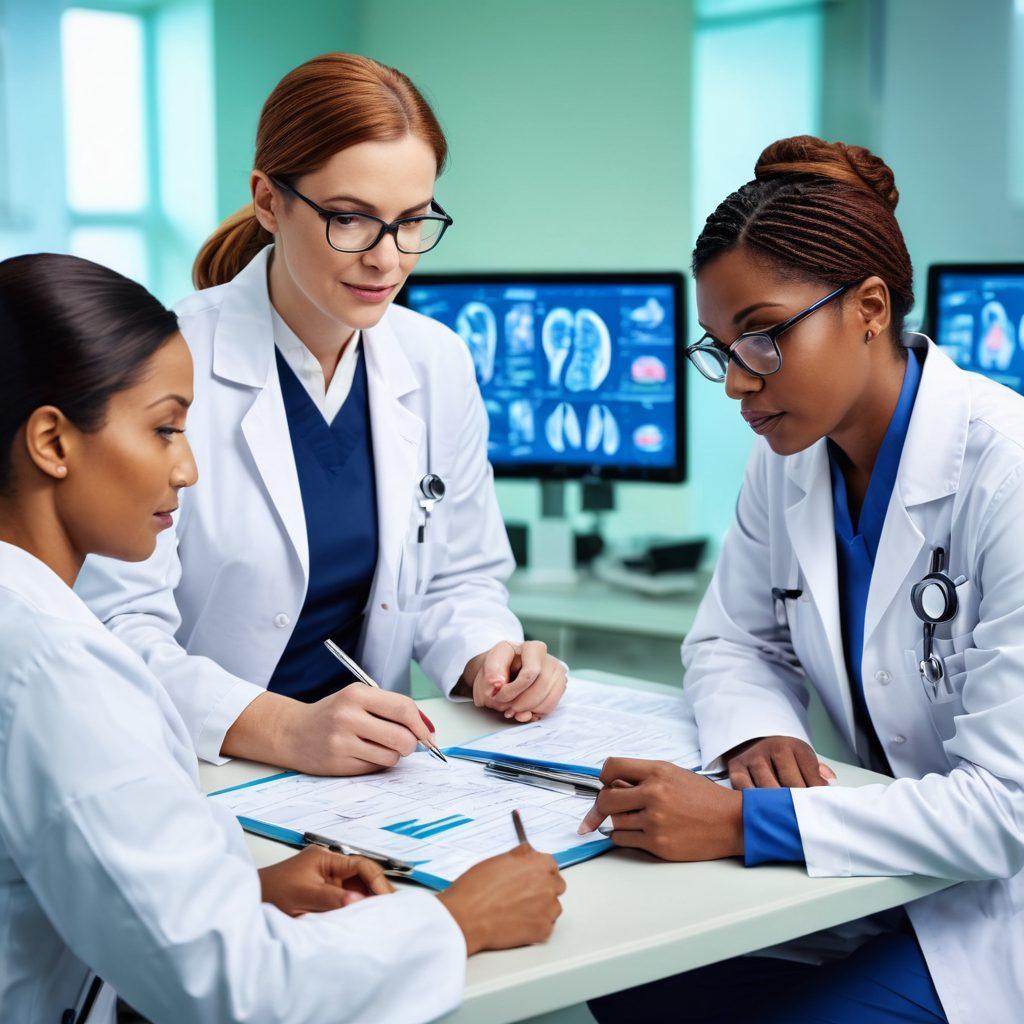
Every time we discuss oncology, we often picture oncologists wielding advanced treatments and innovative therapies. However, at the heart of this profession lies an untold story of teamwork and support. Imagine an oncologist who doesn’t just prescribe medication but also collaborates with nutritionists, psychologists, and wellness coaches to create a comprehensive treatment plan that fosters healing on multiple fronts. When we break down the silos of traditional healthcare, we can enhance patient outcomes and enrich their journey through cancer treatment. Isn’t it time we ask ourselves how diverse support systems can revolutionize cancer care?
Patient education is a crucial element in cancer research and survivorship programs. When patients are armed with knowledge about their diagnosis, treatment options, and preventive care, they become more than just recipients of medical care; they become active participants in their health journey. Organizations focusing on cancer awareness emphasize the importance of disseminating health information, ensuring that patients make informed decisions. Could better-educated patients be the key to improving cancer statistics in the future?
Supporting those who are navigating chronic illness requires more than medical interventions. The emotional toll of a cancer diagnosis cannot be overstated, and that's where cancer support networks shine. These platforms not only connect patients with essential resources but also foster a sense of belonging and understanding—a crucial element in achieving wellness. As these communities grow, they pave the way for stronger advocacy at both local and global levels. How do we ensure that every patient feels supported in their journey?
In this age of rapid medical research advancements, it is vital to focus on holistic care in oncology. Integrating components of fitness, nutrition, and mental health with traditional cancer treatment leads to improved survivorship programs and better health outcomes. As the medical community continues to unravel the complexities of cancer, it’s essential to remember that every statistic represents a person, a story, and a fight. By embracing a collaborative model, we can empower patients to not only survive but thrive, creating a brighter, healthier future together. Are we ready to embrace this change?